Typewriter Embroidery Design Review
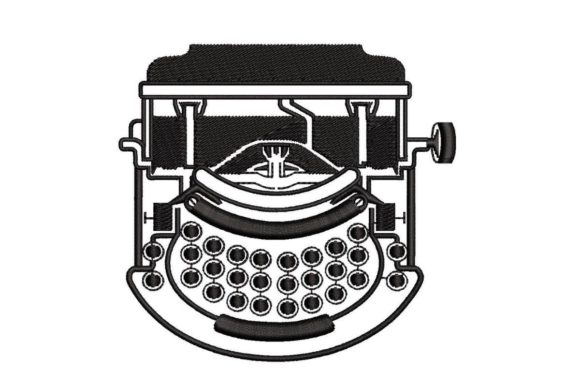
As an embroidery designer with years of experience, I've tested countless machine embroidery designs for personalized gift products. One that stood out is the Typewriter design—carefully crafted, with great details that feel like a personal touch for any handmade product.
The First Impression: A Design That Speaks Volumes
From the moment I saw the Typewriter, I was struck by its charm and emotional appeal. It carries a warm, classic vibe that feels both nostalgic and modern. The level of detail in the lettering and overall composition makes it ideal for a variety of personalized gifts. Whether you're creating a baby blanket or a wedding keepsake, this design adds a unique, handmade quality that customers will appreciate.
The Typewriter design has a timeless aesthetic that works well with different styles. It’s not overly ornate, but it still manages to convey elegance and sophistication. This makes it perfect for those looking to add a subtle yet meaningful touch to their custom embroidery projects.
How to Use Typewriter in Personalized Gifts
The versatility of the Typewriter design is one of its strongest points. It can be used across a wide range of products, from baby embroidery to wedding gifts. Here are some practical ideas:
- Baby Blanket: Add a name or a special message for a heartfelt, personalized keepsake.
- Kitchen Towel: A charming addition to any home, especially for those who love vintage decor.
- Pillow Cover: Ideal for nursery items or family room accents, bringing a cozy, handmade feel.
- Wedding Keepsake: Perfect for a custom favor or a memorable gift for the couple.
- Tote Bag: A stylish and functional item that can be customized with names, dates, or short messages.
- Apron: Adds a personal touch to kitchen tools, making them more special and unique.
- Blanket Embroidery: Great for creating a warm, sentimental gift that lasts for years.
This design also works well for craft fair products and Etsy listings, where buyers are often looking for something distinctive and meaningful. As an embroidery file, it offers flexibility for different fabric types and sizes, making it a valuable addition to any small shop product lineup.
Where to Be Careful: Tips for Using Typewriter Effectively
While the Typewriter design is beautiful, there are certain scenarios where extra care is needed. For instance, when working with small lettering or delicate details, it's important to ensure that the stitch density is appropriate for the fabric. Some textures may require a different stabilizer or hoop size to prevent distortion.
For thick towels or stretchy baby clothes, it's crucial to test the design on scrap fabric first. The same goes for curved surfaces or dark fabric, where thread color contrast can make a big difference in the final look. If the design is going to be used on a product that needs frequent washing, it's wise to check how the stitches hold up over time.
When using the Typewriter design for custom embroidery, always review the embroidery file for accuracy. Make sure the file format is compatible with your machine and that all elements are properly aligned. This helps avoid any issues during the stitching process.
Why Typewriter Matters for Giftability and Customer Trust
The Typewriter design enhances the giftability of any product. It adds a personal, handmade quality that customers find appealing. When someone receives a personalized gift with this design, they’re more likely to feel a deeper emotional connection to the item.
As an Etsy seller or small business owner, this kind of design can help build customer trust. It shows that you're invested in creating high-quality, thoughtful products. The attention to detail in the Typewriter design also increases perceived value, making it a great choice for commercial embroidery projects.
Moreover, the design is ideal for product photography, as it adds visual interest and tells a story. Whether you're showcasing a printable mockup or a finished product, the Typewriter design stands out and engages buyers effectively.
Practical Embroidery Notes for Success
To get the best results with the Typewriter design, here are some key tips:
- Test on scrap fabric: Always do a trial run before working on a final piece.
- Check thread colors: Ensure the chosen thread contrasts well with the fabric for visibility.
- Confirm hoop size: Make sure the design fits within your machine’s hoop dimensions.
- Review stitch density: Adjust if needed to match the fabric texture and project requirements.
- Use proper stabilizer: This prevents puckering and ensures clean stitches.
- Compare light and dark fabric mockups: This helps determine the best appearance for different backgrounds.
- Check small details after stitching: Pay close attention to lettering and intricate parts.
- Confirm commercial licensing: Before selling finished products, verify that the digital embroidery file allows for commercial use.
These steps help ensure that the Typewriter design comes out perfectly, whether you're creating a small shop product or a custom order for a client.
Final Thoughts: A Design Worth Adding to Your Collection
The Typewriter design is a thoughtful, versatile option for anyone involved in handmade products or custom embroidery. Its charm, detail, and adaptability make it a valuable asset for gift shop owners, crafters, and digital product sellers. Whether you're making a personalized gift for a baby, a wedding, or a family member, this design adds a meaningful touch that resonates with customers.
With careful planning and attention to detail, the Typewriter design can elevate your offerings and help you stand out in a competitive market. It's a great example of how a well-crafted machine embroidery design can turn a simple item into a cherished keepsake.